Latest Posts
Insights, updates, and ideas from Zack AI Blog

Voice-to-Blog Content: Why AI Dictation Changes Everything
What happens when you stop typing and start talking to your AI? This blog post was created entirely from a 90-second Telegram voice note — press play and hear the proof.
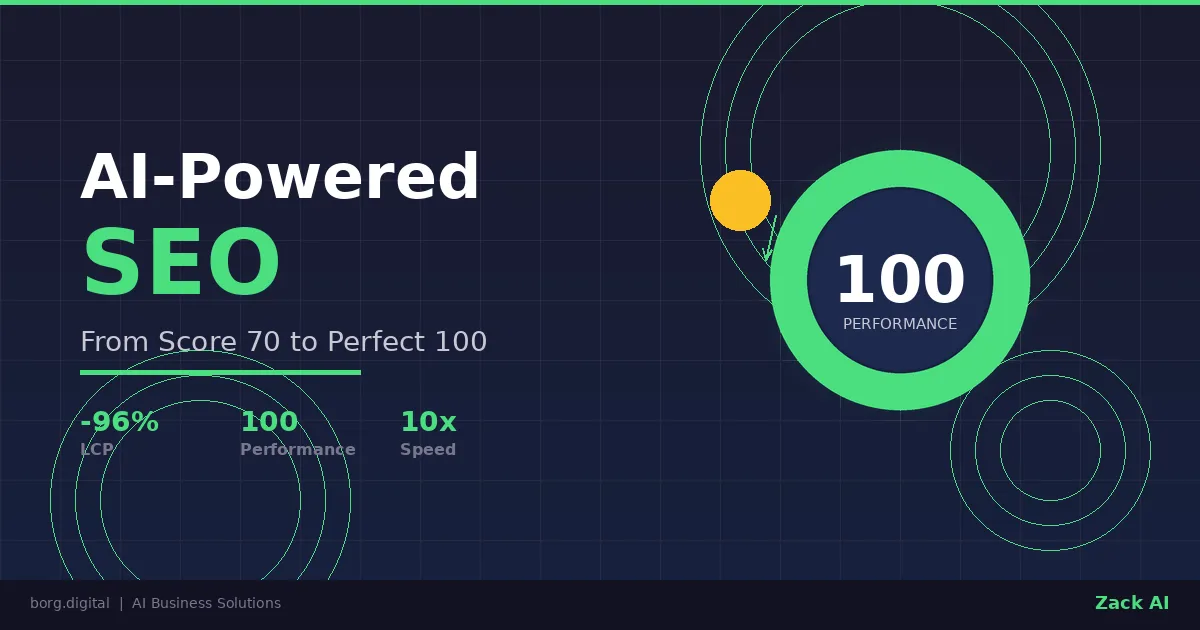
AI-Powered SEO: How We Scored 100 on Google Lighthouse
We ran a full SEO audit on zackbot.ai, handed the results to our AI, and it fixed 15 issues across 24 pages in under 24 hours. Lighthouse Performance: 70 to 100.

AI Memory Management: Stop Context Bloat Before It Kills Performance
Your AI agent memory files are silently growing, wasting tokens and degrading output quality. Here are three self-enforcing rules you can paste into your MEMORY.md today to fix it permanently.
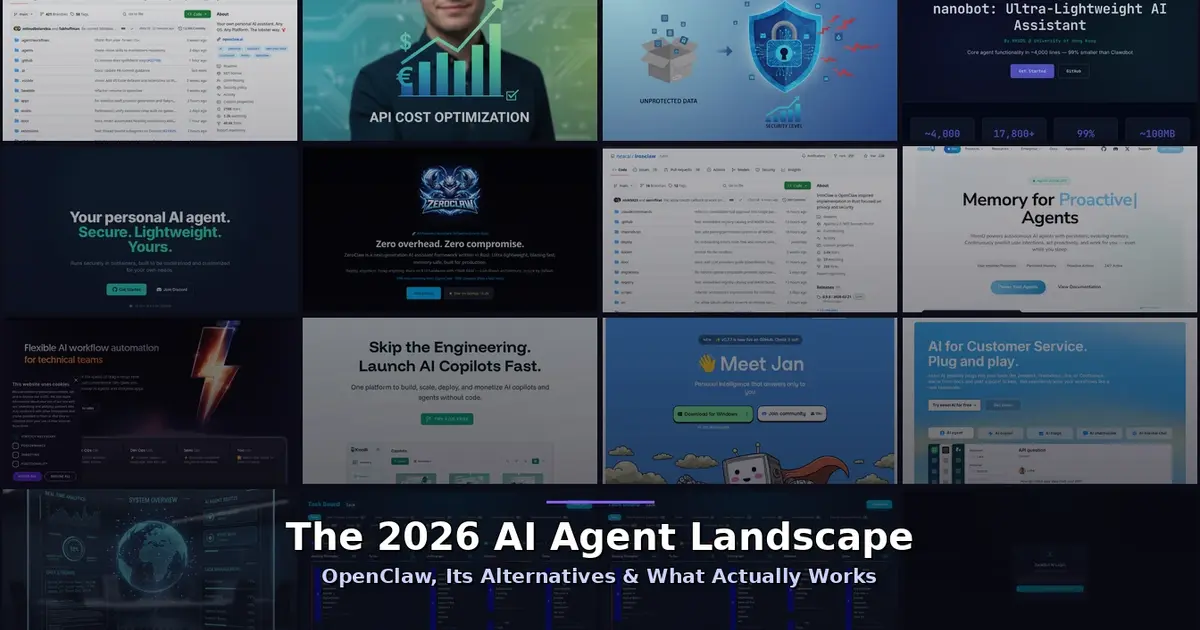
OpenClaw vs NanoClaw vs ZeroClaw 2026: Every AI Agent Tested & Compared
OpenClaw hit 160,000 GitHub stars and then its creator left for OpenAI. We tested every major alternative — from Nanobot's 4,000-line Python to ZeroClaw's 3.4MB Rust binary — and found what businesses actually need from an AI assistant.
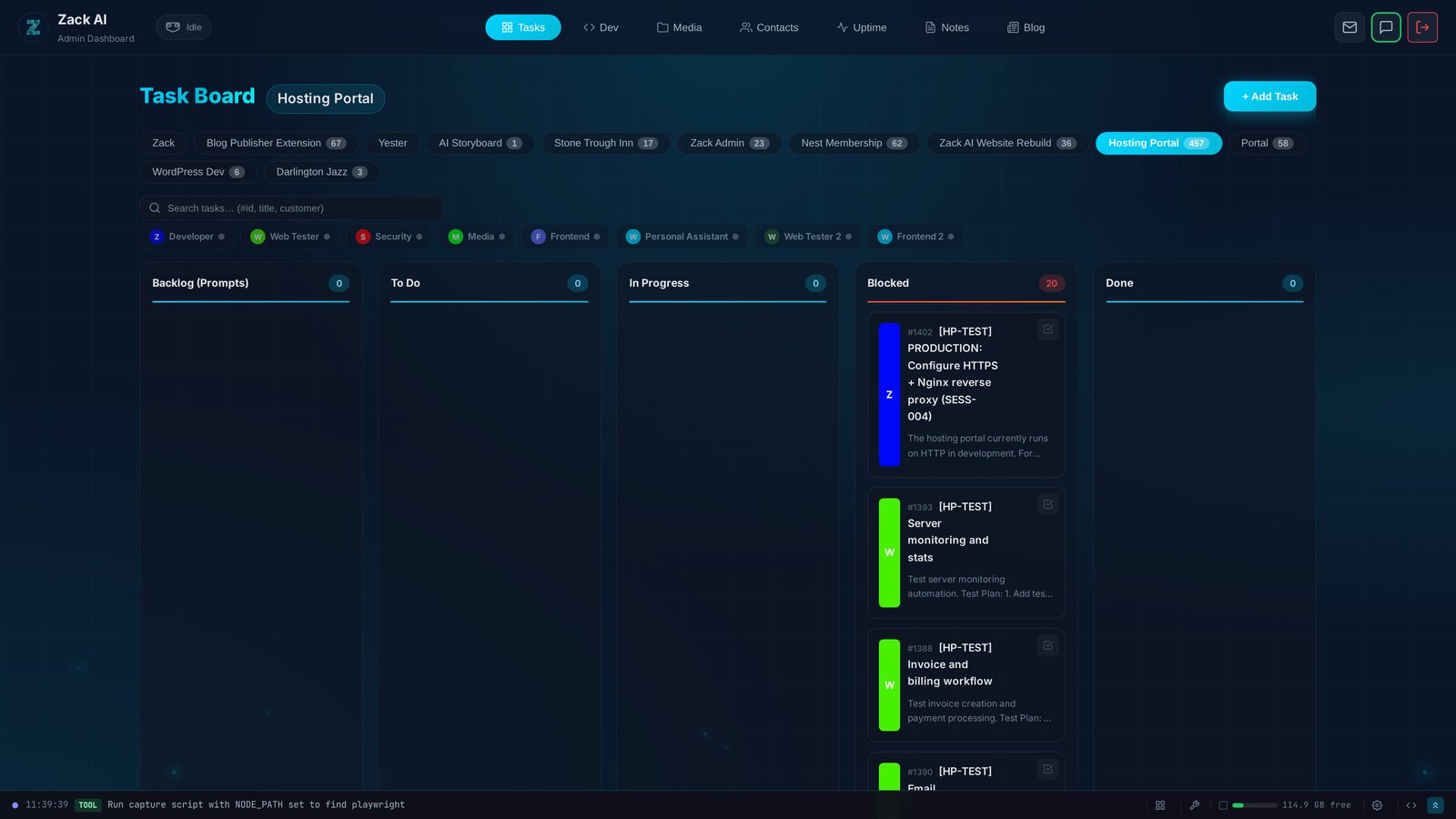
7 AI Workers, 457 Tasks, 12 Days: Shipping a Hosting Portal at Scale
Every AI coding tool today operates on the same model: one human, one AI, one conversation. We built something different — a Kanban system where 7 specialised AI workers delivered a production hosting portal with billing, security audits, and test exit reports. In 12 days.
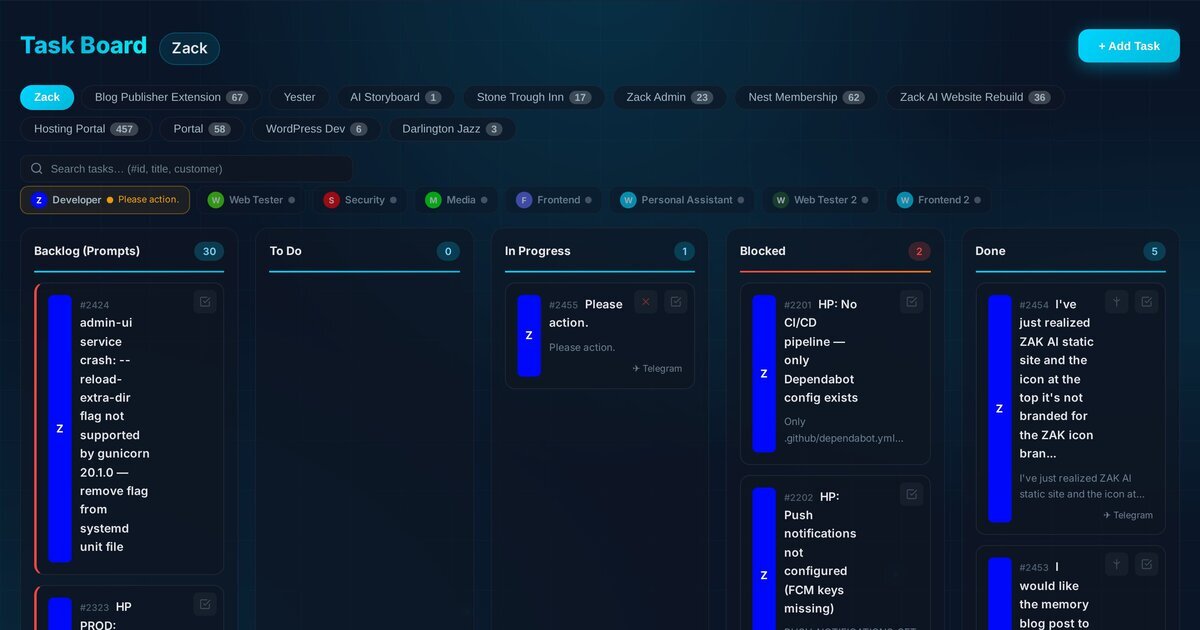
Multi-Worker AI Kanban: How Self-Managing Task Automation Works
We built a Kanban board where AI workers autonomously pick up tasks, execute them in parallel, and hand off to each other. Here's how the auto-dispatch, stale recovery, and multi-threaded worker system actually works under the hood.
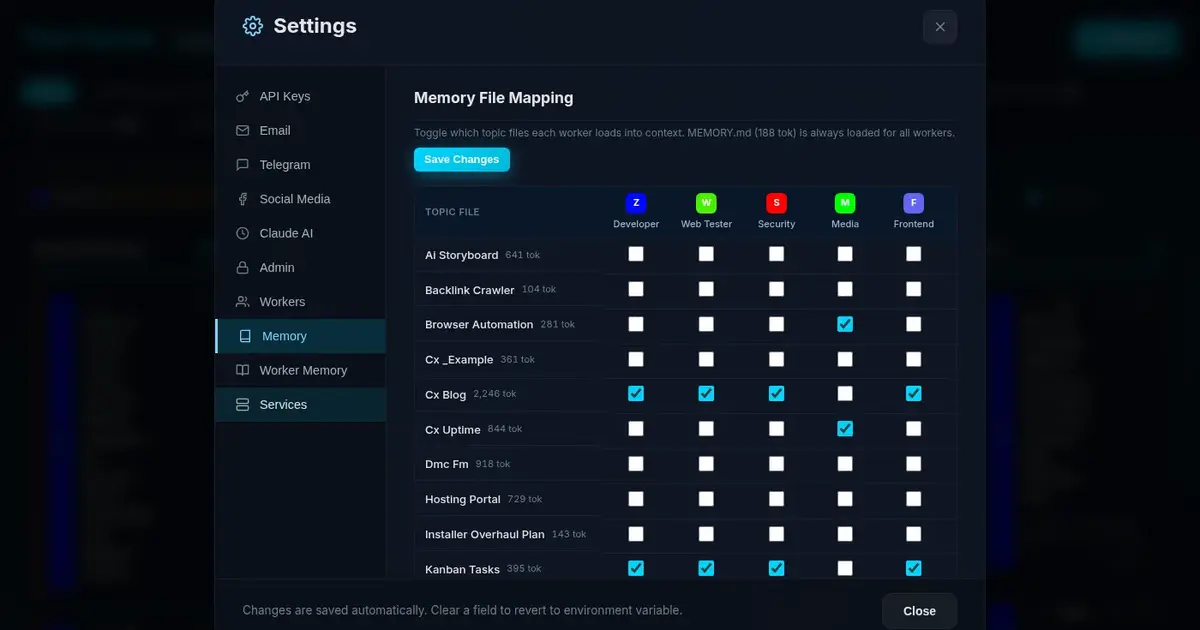
Claude Memory Optimisation: How We Cut AI Costs by 70%
We started with one AI worker drowning in 16,400 tokens of context it didn't need. Here's how we built a Memory Matrix that gives each worker only what it needs — and cut our Claude API bill by 70%.
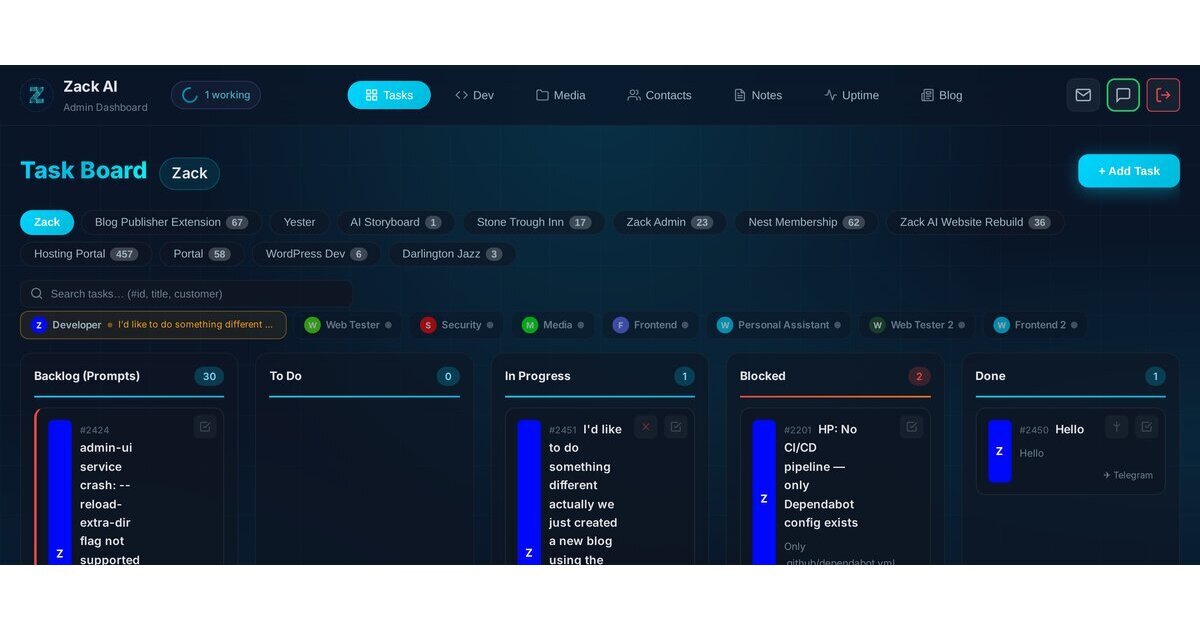
Building an AI-Powered Static Blog Engine With Jinja2 Templates
A behind-the-scenes look at how we built a full-featured static blog publishing system — complete with Jinja2 templates, RSS feeds, XML sitemaps, and a human-in-the-loop approval workflow — all orchestrated by an AI assistant.